Schedule maintenance before the first period of sustained heating demand. A system that starts during a quick thermostat test may still have a weak component, restricted airflow, or a safety issue that appears only after a longer run.
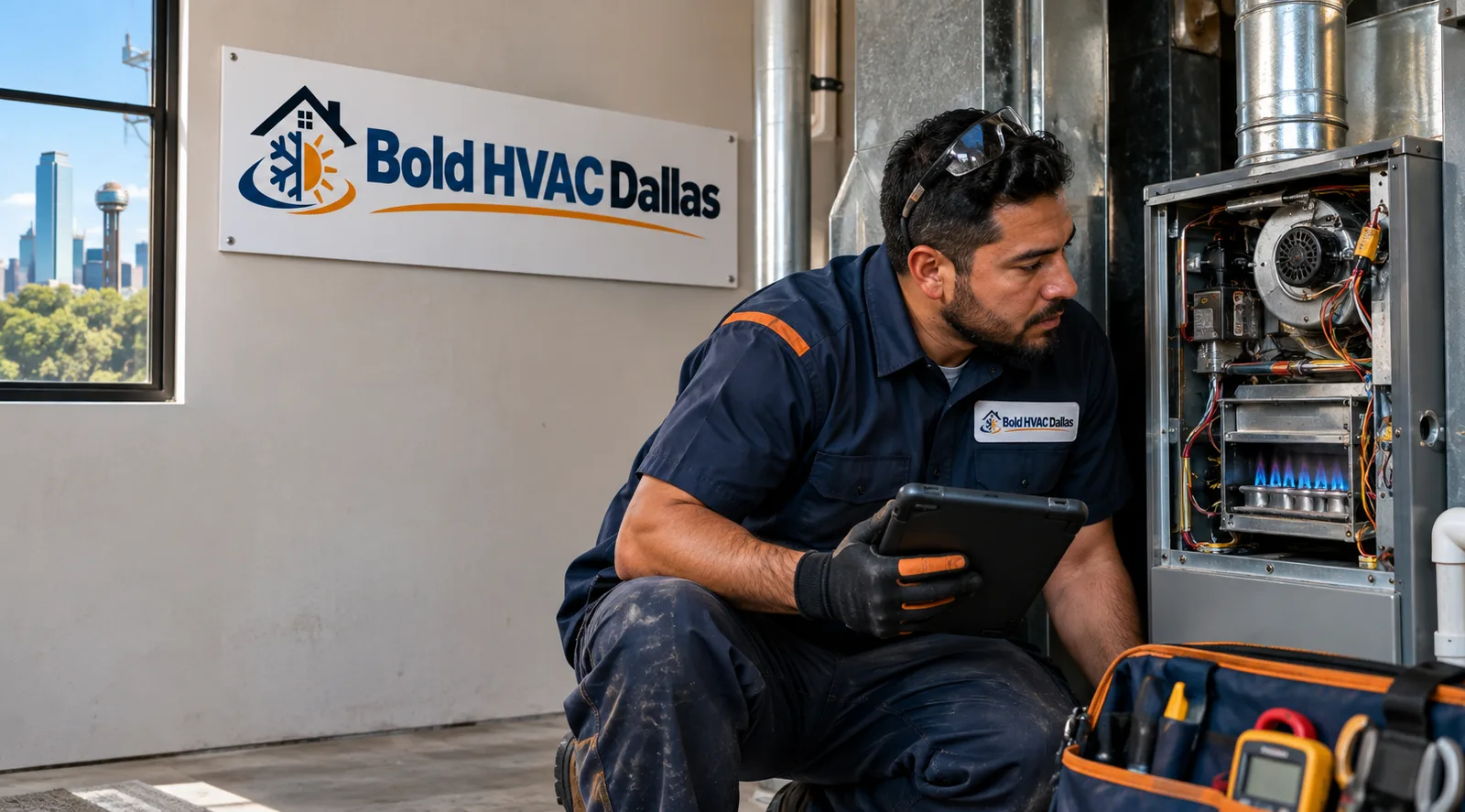
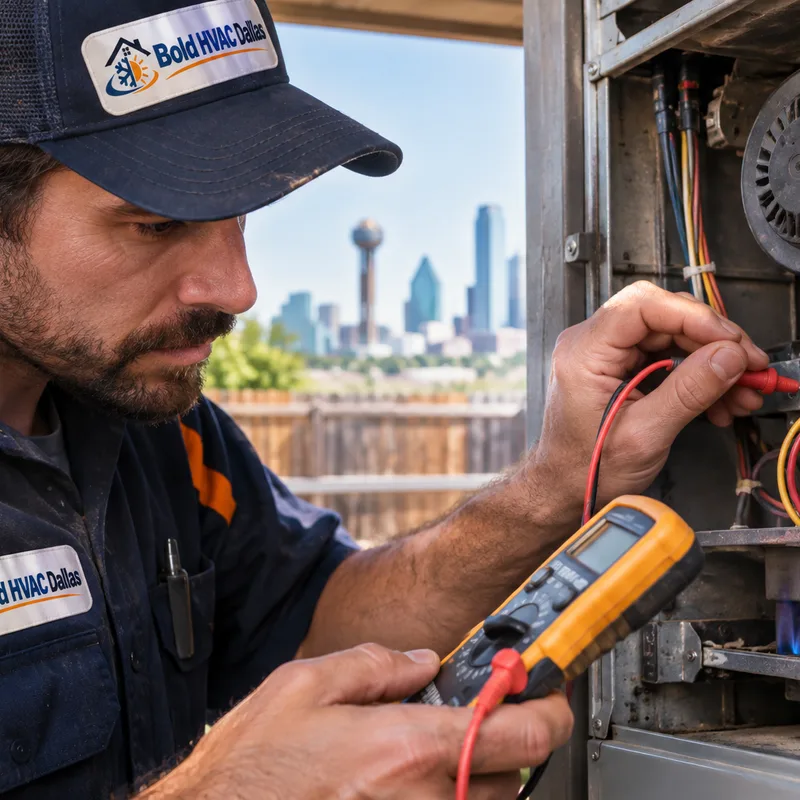
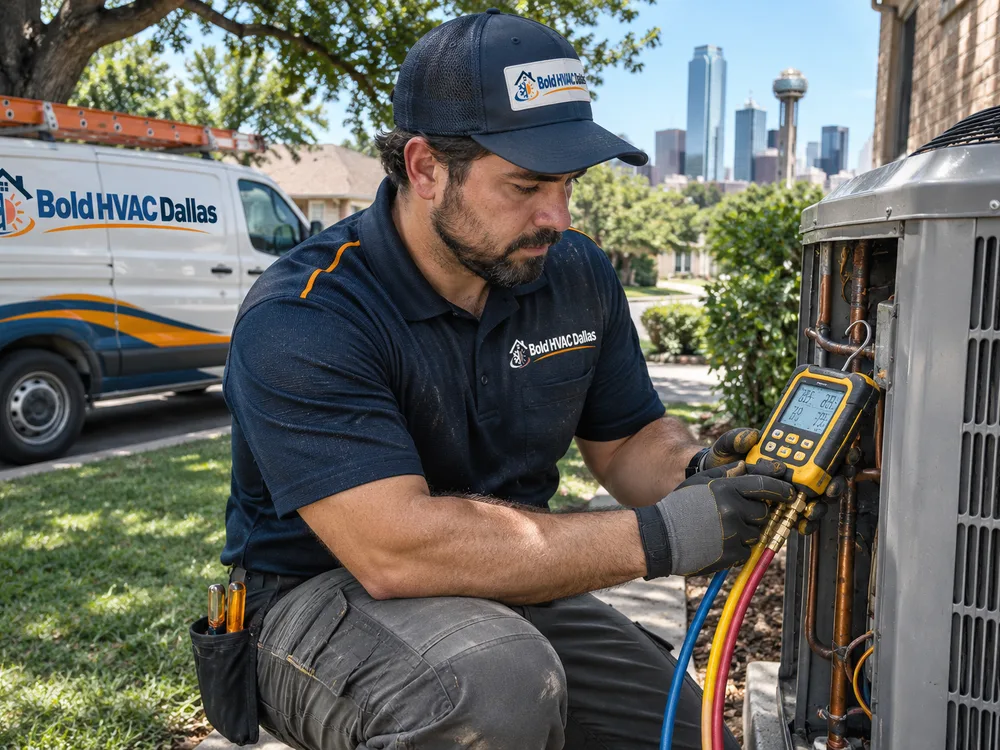
For a furnace, service may include checking the burner area, ignition components, flame sensor, venting, electrical connections, blower, filter, temperature rise, and accessible safety controls. Gas pressure and combustion testing may be appropriate when conditions call for it. Heat-pump maintenance can include coil condition, refrigerant-related measurements, electrical testing, defrost operation, auxiliary heat, and thermostat setup.
Homeowners can support reliable operation by replacing filters at the interval appropriate for the filter and household, keeping supply registers open, leaving return grilles unobstructed, and keeping the outdoor heat-pump unit free of leaves and debris. Do not open sealed equipment compartments or attempt gas, combustion, refrigerant, or high-voltage repairs.
North Texas weather can move quickly between mild and cold conditions. Testing both normal heat and auxiliary heat before a sharp temperature drop gives you time to address a fault without waiting until the house is already uncomfortable.