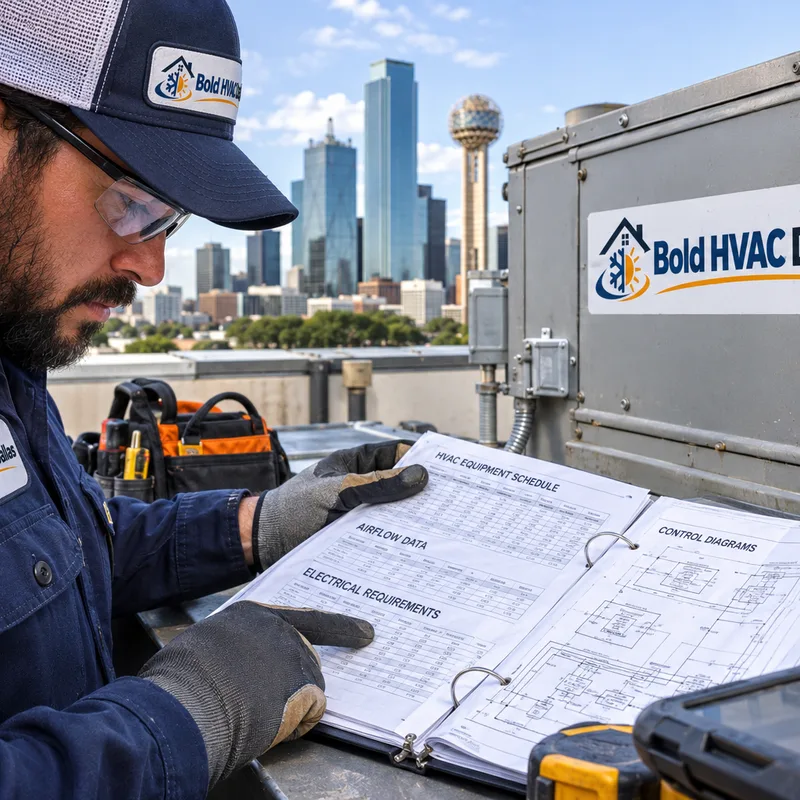
Ask for evidence that the proposed equipment fits the application. A sound proposal identifies model numbers, certified combinations, performance data, efficiency ratings, electrical requirements, dimensions, included accessories, warranty coverage, and important exclusions. Commercial buyers may also need product submittals, curb drawings, control points, acoustical data, and factory options.
Support after delivery is equally relevant. Confirm who handles startup questions, warranty claims, replacement parts, control issues, and technical documentation. Ask whether common service components are reasonably available and whether local technicians can obtain product training. Specialized equipment may be a good fit, but the ownership plan should account for its service requirements.
The installer and manufacturer each have distinct responsibilities. Good equipment can perform poorly when ducts are undersized, airflow is not set, refrigerant charging is incorrect, or controls are configured badly. Before approving a proposal, clarify who is responsible for design, permits, installation, startup, commissioning, registration, and ongoing maintenance.